Lake Garda In Winter: What Is Open, What Sails And What Does Not
Winter strips Lake Garda down to its bones: the island stops receiving visitors at the end of October, the ferry drops to a reduced timetable, and the sun sets at 16:36 on the shortest day. Here is what still sails, what shuts, and what is worth booking instead.
Short answer
Lake Garda does not close in winter, but most of its summer boat season does. The Isola del Garda visits end in October, the full ferry timetable runs only from 16 May to 4 October, and sunset on 21 December is 16:36. Private charters and the Sirmione peninsula boats still run on calm days, from $13.77 per person.
The Isola del Garda stops receiving visitors at the end of October. The full summer ferry timetable runs only from 16 May to 4 October. And at Sirmione on 21 December the sun sets at 16:36, which leaves roughly an eight and three quarter hour day. That is the honest starting point for any winter trip to this lake: it does not close, but a large part of its boat season does, and what remains is quieter, cheaper and, on a clear day, unexpectedly beautiful.
This guide sets out plainly what does not sail between November and March, what the public ferry still does, how short the days really are, and which trips on the water you can still book when the summer crowds have gone. Where a figure appears, it comes from the operator's own listing or the official tariff sheet. Where something is simply unknown, such as the detailed winter sailing pattern after the summer sheet ends, this page says so rather than guessing.
Is Lake Garda Worth Visiting In Winter?
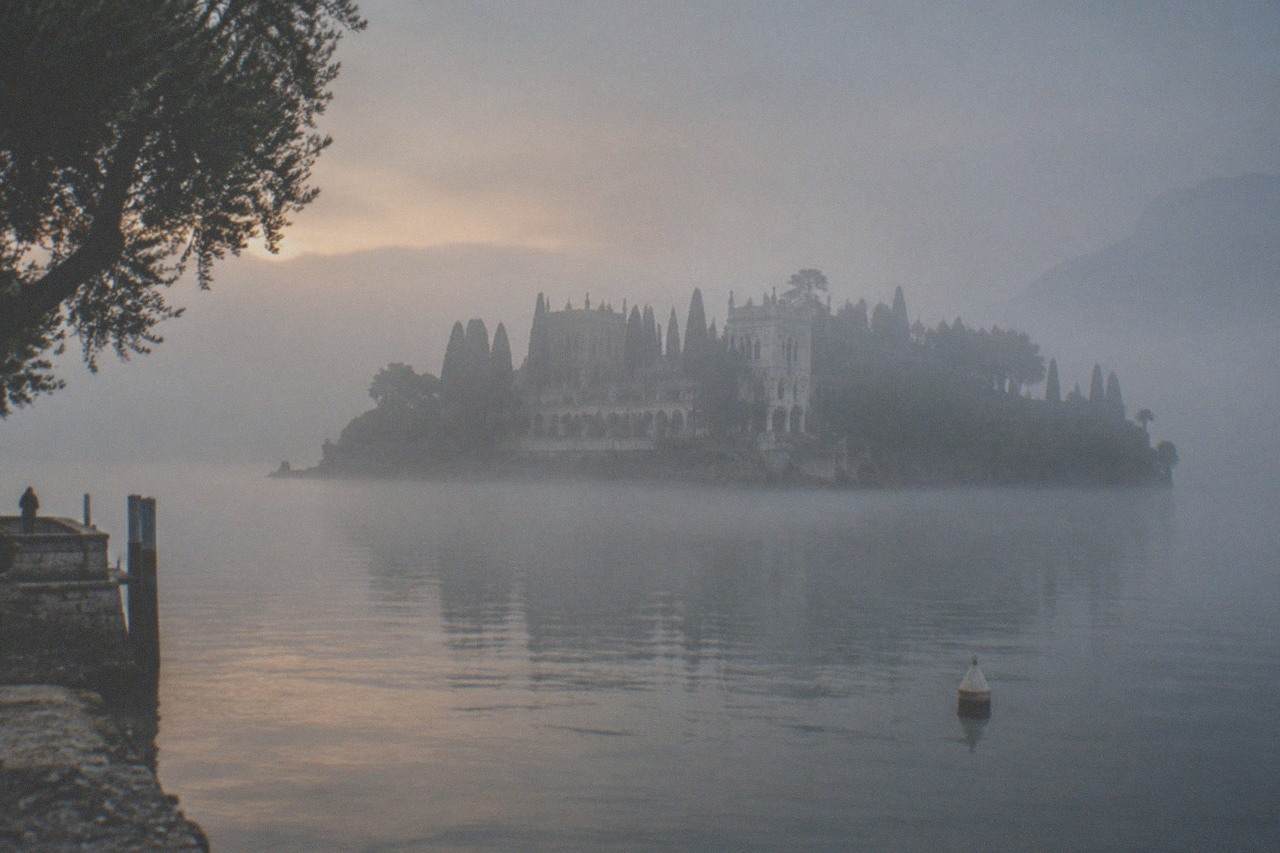
Yes, if you come for the towns, the walking and the quiet rather than for the water. The lake itself stays open all year, but the summer machinery around it largely stops: the island visits end in October, the full ferry timetable ends on 4 October, and the Monte Baldo cable car closes for maintenance from 2 November to 25 December. What you get in exchange is empty shorelines, low prices and mist on the water at dawn.
The scale of the place does not change. Lake Garda is the largest of the Italian lakes, about 54 km long with a maximum depth of 346 metres, and in winter you notice that size differently: the mountains above the northern shore carry snow, the olive groves on the western side are bare, and the towns that heave in July become places you can actually hear yourself think. The Veneto statistics office counted 2.894 million arrivals in the Lago di Garda area in 2025, and 76.2 percent of those arrivals were international, led by German visitors. Almost all of that traffic lands between April and October. In February you are sharing the lake with a fraction of it.
What winter is not, is a water-sports season. The surface temperature of the lake in February averages around 13.98 °C according to the blended dataset on seatemperatures.net, which is swimmable only in the most generous sense. Sailing clubs in the north keep racing through the cold months because the wind pattern, the morning Pelèr from the north and the afternoon Ora from the south, blows all year, but that is a local sport, not a tourist one. For a visitor, winter on the lake is a walking, eating and looking season with occasional trips on the water.
The best framing is to treat winter as a different product rather than a discount version of summer. If your heart is set on a swim stop, an aperitivo cruise at sunset with warm air, or a day hopping between five towns by ferry, come between late May and mid September and read our guide to the best month to visit Lake Garda instead. If you want castles in fog, empty lemon terraces and a boat to yourself, winter delivers things July cannot.
Do Any Boats Run In Winter?
Yes, but the offer narrows sharply. The private charter boats around Sirmione can run any calm day of the year, and the short shared peninsula cruise keeps sailing through the cold months. What disappears is the long tail of seasonal products: the sunset aperitivo cruises, the swim-stop trips and the island crossings, most of which stop operating between late October and April.
The distinction that matters is between seasonal products and year-round operators. A skipper who owns a small boat in Sirmione can take you around the peninsula on a bright February afternoon as easily as in July; the same is true of the short shared loop. But cruises built around swimming, or around a sunset that in December happens at half past four in a cold wind, simply stop being sold. Operators do not publish a single "winter closure date" for the lake, because there is not one: each listing has its own operating calendar, and the honest advice is to check the live listing for the specific dates you will be there.
Three Sirmione-based options illustrate the range that survives winter:
The private peninsula tour is the most winter-proof of the three. It is a 25-minute loop of the Sirmione promontory priced from $152.20 for the whole boat, up to five people, which works out at roughly $30 a head for a family of five. It carries a 4.7 rating from 81 reviews and free cancellation on the listing, and because it is a private charter with a skipper rather than a scheduled service, it runs whenever the weather allows rather than to a seasonal calendar.
The shared 25-minute cruise, at from $13.77 per person with a 4.7 rating from 3,495 reviews, is the cheapest way onto the water on the entire lake and typically keeps running through winter in all but the worst weather. The Isola del Garda private tour in the trio above is the one to treat with caution out of season: the island itself stops visits at the end of October, so a winter booking depends entirely on the operator's own calendar, and the crossing is not a visit. Check the listing before you plan a winter day around it.
One more thing worth knowing: a recent traveller report from the summer describes queues of several hours for northern ferries and the cable car. That is the opposite of the winter problem. In February your problem will not be crowds, it will be finding a boat that is running at all, which is why the rest of this page is mostly about what still sails. For the full picture of how conditions change through the year, see our Lake Garda weather guide for boat trips.
What Does The Ferry Still Do?
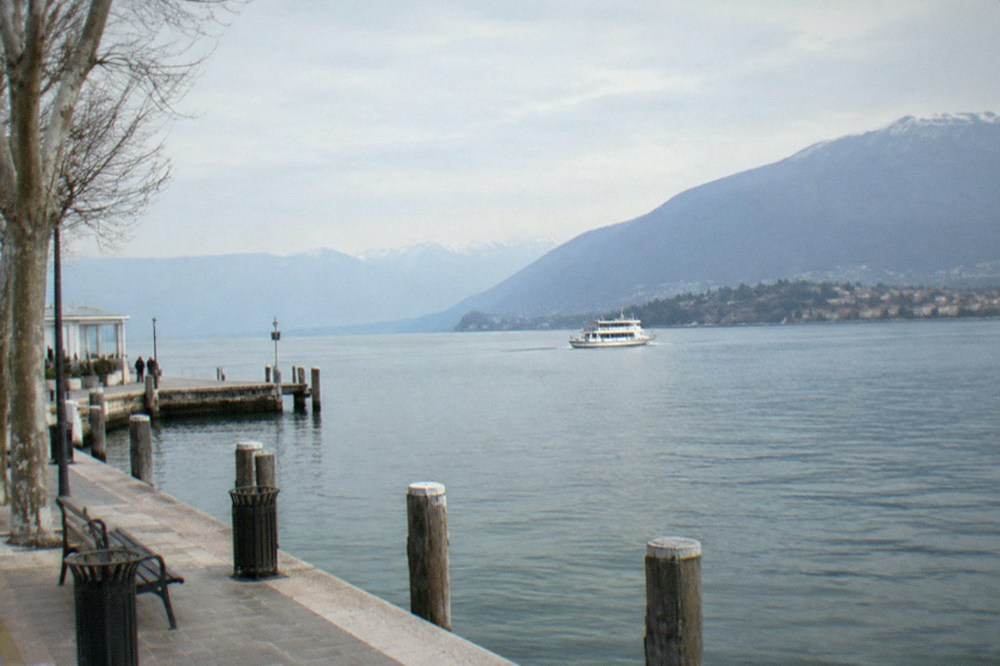
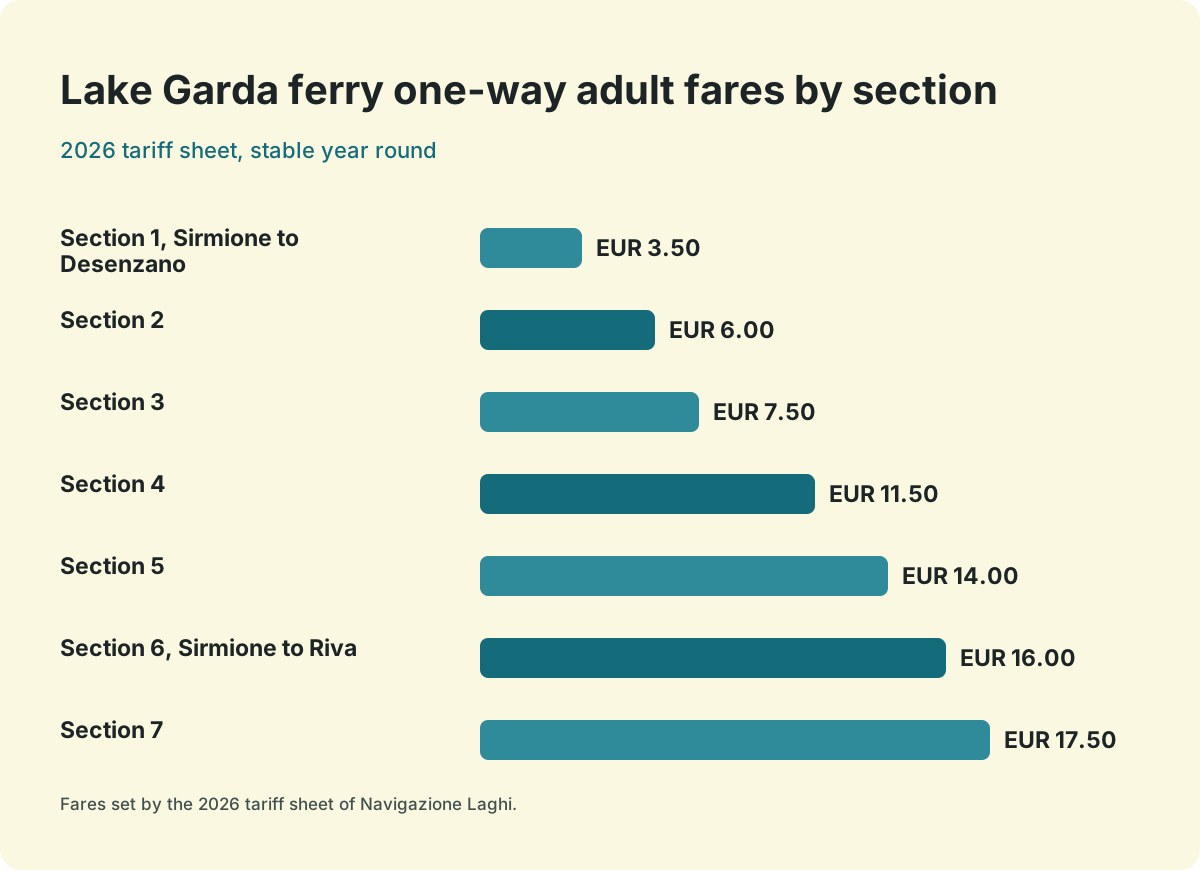
After the summer timetable ends on 4 October, Navigazione Laghi drops to a reduced autumn and winter service on the main lines only. The fare system does not change: one-way adult fares still run from EUR 3.50 to EUR 17.50 by section, and the day passes still exist. What shrinks is frequency and coverage, especially in the north.
The public ferry operator, Gestione Governativa Navigazione Laghi, publishes two seasonal timetables for the lake: one from 1 April to 15 May and the full summer sheet from 16 May to 4 October. After 4 October the service continues but in reduced form, and the operator's own published detail for the winter network is thin: the summer documents are what the site carries in full. Regional listings describe the winter pattern as the main lines only, with the northern lake services cut back hardest. Treat any specific winter sailing time you read on a third-party site with suspicion and confirm on the operator's own tickets and timetables page before you build a day around it.
The fares themselves are stable year round, set by the 2026 tariff sheet. A single section hop costs EUR 3.50, which is what an adult pays one way from Sirmione to Desenzano. The full section scale runs EUR 3.50, 6.00, 7.50, 11.50, 14.00, 16.00 and 17.50, with Sirmione to Riva at EUR 16.00 in section 6. Day passes for free circulation cost EUR 39.50 for the whole lake, EUR 27.00 for the upper or lower lake, and EUR 23.50 for a single zone. Buying on board carries a EUR 1.00 surcharge per passenger. None of that is a winter discount or a winter penalty; it is simply the same prices applied to fewer boats.
The practical winter use of the ferry is connection, not sightseeing. In summer a whole-lake day pass is a touring product: you can hop from Desenzano to Salò to Limone and call it a day out. In winter the ferry is closer to a utility: a crossing to reach a town on the far shore, or a link when the lakeside road is slow. The one vehicle crossing, the Maderno to Torri del Benaco car ferry, keeps its own tariff, with adults at EUR 7.50 one way and a car up to 3.50 metres at EUR 12.30, and it is the only way to put a car across the lake at any time of year. Our full Lake Garda ferry guide covers the network in detail.
What Closes For The Season?
The big seasonal closures are the Isola del Garda visits, which end in October and restart at the end of March, the full ferry network after 4 October, and the Monte Baldo cable car, which shuts for maintenance from 2 November to 25 December. The Bardolino wine festival closes the lake's autumn on 5 October, and after that the lake settles into its winter shape.
The island is the clearest cut. The owning family's official site states the season plainly: visits run from 29 March to October, booking is compulsory, and no visits happen on Saturdays or Mondays even within the season. The visit itself is guided only, lasts about two and a quarter hours with a boat transfer of 15 to 40 minutes each way depending on the departure port, and in season costs EUR 46 from Sirmione as an adult ticket including the boat, the guide and a welcome drink. From November to late March, none of that exists. You can still see the island from a passing boat, and the Veneto shore law protects the water around it with a reduced 150-metre navigation band, but you cannot land.
The cable car follows its own calendar. The Funivia Malcesine Monte Baldo runs its summer season from 4 April to 1 November, then closes for ordinary maintenance from 2 November to 25 December, then reopens for a winter season from 26 December to 21 February. So a Christmas visit to Riva or Malcesine can actually include the mountain, while a mid-December visit cannot. The operator's own season page is the place to confirm the dates for your week, because the maintenance window is fixed but the winter opening days are not the full week.
Here is how the main moving parts of the lake behave between November and March:
| What | Winter status | Detail |
|---|---|---|
| Isola del Garda visits | Closed | Season runs 29 March to October; guided only, booking compulsory |
| Full ferry timetable | Off | Summer sheet runs 16 May to 4 October; reduced main-line service after |
| Monte Baldo cable car | Closed, then partial | Maintenance 2 November to 25 December; winter season 26 December to 21 February |
| Sirmione peninsula boats | Running | Private charters and the shared loop sail on calm days year round |
| Car ferry Maderno to Torri | Running | The only vehicle crossing; separate tariff year round |
| Sunset aperitivo cruises | Mostly off | Seasonal products tied to warm evenings largely stop after October |
Two cautions on that table. First, the autumn leaf drop is gradual: early November still has some summer services clinging on, and a bright first weekend can feel almost like October. Second, the towns do not close with the boats. The claim that most hotels shut from November to March is repeated constantly online and is not something any official source confirms; what is true is that many seasonal businesses reduce hours, and the lake's own rhythm, not a rule, decides which.
How Short Is A Winter Day?
Very short at the deep end of the season. At Sirmione on 21 December the sun sets at 16:36, against 20:25 on 15 August, which leaves roughly an eight and three quarter hour day. By 21 March sunset is back at 18:31. The practical consequence is that any winter boat trip wants to happen in the early afternoon, not at golden hour.
The sunset figures are worth fixing in your head before you plan anything, because they kill a whole category of winter activity by arithmetic. A sunset cruise in December means being on the water by four in the afternoon, in air that the Verona climate normals put at a mean maximum of 6.7 °C for December and 6.1 °C for January, with mean minimums below zero. That is not the product the summer listings sell, which is exactly why they stop selling it. The long-term averages for Verona, the nearest national climate station about 25 km from the lake, give a fair picture of the winter air, with lakeside towns running slightly milder.
| Month | Mean daily high | Mean nightly low | Rain days | Sunset at Sirmione |
|---|---|---|---|---|
| November | 11.0 °C | 3.2 °C | 7.1 | between the autumn and solstice figures |
| December | 6.7 °C | -0.4 °C | 6.2 | 16:36 on 21 December |
| January | 6.1 °C | -1.2 °C | 6.8 | close to the December solstice figure |
| February | 8.9 °C | 0.1 °C | 5.1 | later than December, earlier than March |
| March | 13.4 °C | 3.4 °C | 6.0 | 18:31 on 21 March |
The published, verified sunset readings for Sirmione cover 21 December at 16:36, 21 March at 18:31 and 15 October at 18:32, and this page prints only those rather than estimating the months between. The pattern, though, is unambiguous: you lose nearly four hours of evening light between mid August and the solstice, and you do not get them back until spring. Plan winter days the way northerners do, with the sightseeing in the middle of the day and the evening indoors.
The wind does not take the winter off, and this cuts both ways. The Pelèr blows from the north through the morning and the Ora fills in from the south after noon, the same pattern that fills the lake with sailors in summer. On a winter day that means the calmest water is usually mid morning, before the afternoon breeze ruffles the southern basin. A private skipper will read that better than any timetable, which is one quiet argument for chartering rather than self-driving in winter: you are paying for judgment about the one variable, wind, that decides whether a short winter crossing is a pleasure or a penance.
What Is Open In The Towns?
The towns stay open even when the boats thin out. Sirmione's castle keeps its museum hours, Salò and Desenzano keep working as real towns rather than resorts, and the Christmas period brings the cable car back and the lakefronts back to life. What you lose is the evening economy: much closes early, and the outdoor lake life of summer simply is not there.
Sirmione in winter is a particular case, because its problem in summer is crowds rather than closure. The town's 2026 plan pedestrianises the historic centre on 31 days between April and September, precisely because the summer flows are unmanageable. In winter none of that applies: you can drive closer, park easier and walk the peninsula without the queue at the castle bridge. The Castello Scaligero keeps hours of 8.30 to 19.15 from Tuesday to Sunday, closed Mondays, with a full ticket at EUR 10.00, and the Grotte di Catullo ruins above the peninsula keep similar hours with the same full ticket price. A winter walk between the two, with the lake on both sides of the promontory, is arguably better than the same walk in July.
Elsewhere the pattern repeats with local colour. Desenzano is the lake's working southern hub, with the railway station on the Milan to Venice line a fifteen-minute walk from the ferry landing, and it functions all year. Salò keeps its long lakefront promenade and its museums. The western shore towns, Gardone Riviera, Limone sul Garda, Toscolano Maderno and Sirmione itself, all hold Bandiera Blu awards for their bathing water quality, which says nothing about winter water temperature but does say these are towns that maintain their waterfronts rather than abandoning them in October.
The Christmas window is the one moment winter Lake Garda genuinely fills up. The cable car reopens on 26 December for its winter season, towns run their own festivities, and Italian visitors return for the days between Christmas and early January. If you want winter at its most alive, that fortnight is it; if you want the lake at its most empty, pick any weekday in January or February and you will have the promenades to yourself.
Is It Cheaper Out Of Season?
On the water, mostly no: the boat prices are set prices, not seasonal ones, and the ferry tariff is the same sheet all year. Where winter saves you money is accommodation, parking and the general cost of being there, and in the fact that a private boat you would share with strangers in July is yours alone in February at the same listed price.
Start with what does not drop. The Sirmione peninsula loop is from $13.77 per person on the shared boat or from $152.20 for the whole boat privately, cap of five people, whatever month it is. The ferry charges EUR 3.50 from Sirmione to Desenzano in January exactly as in July. Tour prices on this site's roster are the operator's listed prices, and the listings do not run winter sales. What changes is value rather than price: the same EUR 10 castle ticket buys you a ruin with twenty people in it instead of two hundred, and the same private charter buys an empty lake.
| Winter option on the water | Price basis | What you get in winter |
|---|---|---|
| Sirmione shared peninsula cruise | From $13.77 per person | 25-minute loop, 4.7 from 3,495 reviews |
| Sirmione private peninsula tour | From $152.20 for the boat, up to 5 people | 25-minute private loop, 4.7 from 81 reviews |
| Vintage wooden boat with skipper | From $183.62 for the boat, up to 5 people | 30-minute private sail, 4.9 from 56 reviews |
| Ferry, Sirmione to Desenzano | EUR 3.50 one way, section 1 | Reduced winter timetable, main lines |
| Ferry day pass, whole lake | EUR 39.50 | Valid but fewer sailings to use it on |
| Isola del Garda visit | EUR 46 adult from Sirmione | Not available: season ends in October |
The honest read of that table is that winter does not make the lake cheap, it makes it private. If your budget is tight, the shared cruise at under fourteen dollars is the same price in both seasons and better value in the cold one. If your budget stretches to a charter, winter is when the whole-boat prices make the most sense, because the boat is genuinely yours and the water is genuinely empty. Our private boat tour guide for Lake Garda works through the charter options in detail.
What Should You Book Instead Of A Summer Cruise?
Book short, private and close to shore. The two winter-proof products are the Sirmione peninsula loop, shared or private, and a skippered classic boat for half an hour of the same water. Skip anything built around swimming, sunsets at nine in the evening, or landing on the island, and treat the ferry as transport rather than as a day out.
The shared 25-minute cruise is the workhorse. It runs from Sirmione, it costs from $13.77 per person, and with 3,495 reviews behind a 4.7 rating it is the most-reviewed boat on the lake, which means its winter behaviour is well documented rather than a gamble. The loop passes the Grotte di Catullo cliffs, the thermal spring at the peninsula tip and the castle from the water, and in winter you do it with a handful of other passengers instead of a full boat.
For something with more character, the vintage wooden boat with a skipper is the winter charmer of the roster: a 30-minute private sail from Sirmione at from $183.62 for the whole boat, up to five people, carrying a 4.9 rating from 56 reviews. Thirty minutes is the right length for a winter trip, long enough to round the peninsula and feel the scale of the place, short enough that nobody gets cold. A covered classic boat with a skipper who knows the weather is a better winter instrument than any open speedboat.
Beyond Sirmione, the winter rule is to let the operator's calendar decide. Every listing carries its own operating window, and the only reliable way to know whether a given trip runs in the week you are there is the live listing itself. The trips most likely to have winter dates are the short, close-to-shore, skippered ones; the ones most likely not to are the long crossings, the swim stops and anything with aperitivo in the title. For the shoulder months either side of winter, our Lake Garda in October guide covers the last weeks of the full season, when the ferry still runs everything and the island still takes visitors.
The last word belongs to the day itself. Winter on Lake Garda is not a consolation prize, it is a different lake: quiet water, low sun, towns that belong to their residents again. Book one short boat, plan your walking for the middle of the day, and be somewhere warm by the time the sun goes down at half past four.
Whatever you choose, this site, Lake Garda Boat Tours, keeps the full roster of bookable trips with their live prices and calendars, so you can see at a glance which boats will actually be on the water when you are.
Common Questions About Lake Garda In Winter
Is Lake Garda Worth Visiting In Winter?
Yes, for the towns, the walking and the quiet. The lake does not close, but the island visits end in October, the full ferry timetable ends on 4 October, and the Monte Baldo cable car closes for maintenance from 2 November to 25 December. In exchange you get empty shorelines and low prices, with the Christmas fortnight as the liveliest window.
Do Any Boats Run In Winter?
Yes. Private charters and the short shared cruises around the Sirmione peninsula can run on any calm winter day, and the shared 25-minute loop costs from $13.77 per person. What stops is the seasonal layer: swim-stop trips, sunset aperitivo cruises and island crossings largely disappear between late October and spring.
What Does The Ferry Do In Winter?
After the summer timetable ends on 4 October, Navigazione Laghi runs a reduced service on the main lines, with the northern lake cut back hardest. Fares do not change: one-way adult prices still run from EUR 3.50 to EUR 17.50 by section, and the whole-lake day pass is EUR 39.50. Confirm specific winter sailings on the operator's own timetables page.
What Time Is Sunset On Lake Garda In Winter?
At Sirmione the sun sets at 16:36 on 21 December, the shortest day, against 20:25 on 15 August. By 21 March sunset is back at 18:31. Plan any winter boat trip for the early afternoon, because there is no usable evening on the water in deep winter.
Is Everything Closed On Lake Garda In Winter?
No. The Castello Scaligero and the Grotte di Catullo keep their museum hours all year at EUR 10.00 full ticket each, Desenzano and Salò function as working towns, and the Monte Baldo cable car reopens for a winter season from 26 December to 21 February. What closes is the seasonal boat economy, not the lake's towns.
Is Lake Garda Cheaper In Winter?
Boat and ferry prices are the same all year, so the water itself does not get cheaper. The savings come from accommodation, parking and the general cost of staying, and from value: the same private peninsula tour at from $152.20 for the whole boat buys you an empty lake in February rather than a crowded one in July.