Lake Garda Day Trip: One-Day Plans Built Around A Boat
Lake Garda is 54 km long and the road around it is slow, so a one-day visit only works if the boat sits at the centre of the plan. Here are three day plans built on real ferry fares, real station walks and real crossings.
Short answer
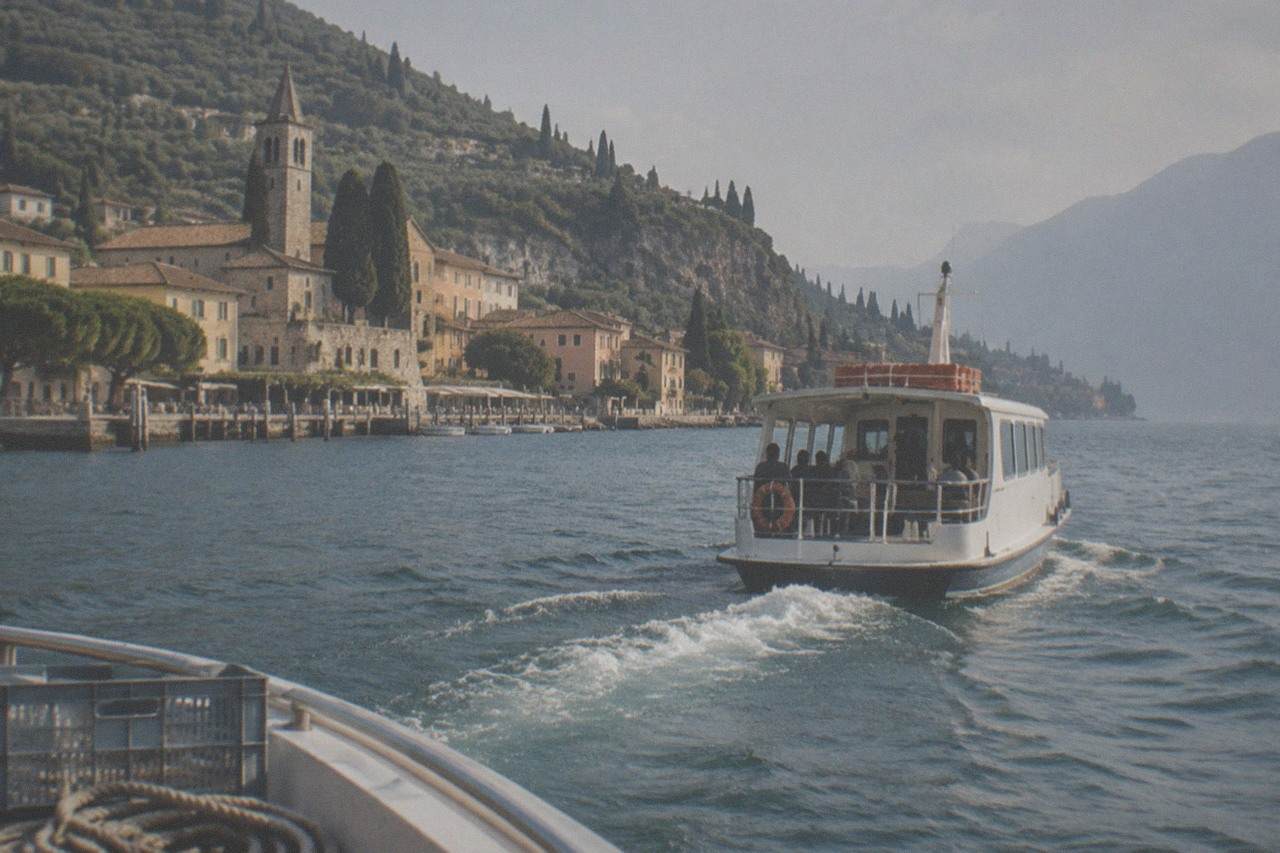
Yes, but only one corner of it. A Lake Garda day trip works when you pick one shore, one boat leg and one or two towns. The ferry from Desenzano to Sirmione costs EUR 3.50 each way and takes about 20 to 25 minutes, and a whole-lake day pass is EUR 39.50, so the boat is both the fastest and the cheapest way to see the lake in a day.
Lake Garda stretches 54 km from Peschiera del Garda in the south to Riva del Garda in the north, covers 370 square km and reaches a maximum depth of 346 metres. Those are the numbers that decide your day. A lap of the lake by road is a slow, winding drive that can swallow an entire afternoon, while the public ferry network links 28 landing stages and a crossing from Desenzano to Sirmione takes about 20 to 25 minutes for EUR 3.50. The one-day visitor who treats the boat as transport, not as an optional excursion, sees more of the lake than the visitor who drives.
That is the whole idea behind this guide. A Lake Garda boat trip is not something you squeeze in at the end of a day of driving; it is the spine of the day. The three plans below each start at a rail station or a pier, put a crossing in the middle and end with a return boat, and every fare and walking time in them comes from the ferry tariff sheet, the station operator or the tour listings themselves. If you are weighing a longer stay, the question of how many days in Lake Garda is enough deserves its own thinking, but for a single day the plans here are realistic and costed.
Can You See Lake Garda In A Day?
You can see one shore, one crossing and two or three towns in a day. The lake is 54 km long with a 125 km shoreline split across three regions, so a plan that tries to take in Sirmione, Malcesine and Riva by car spends most of its hours parked or crawling behind coaches. A day built around a ferry crossing or a cruise turns the biggest distance into the easiest part of the trip.
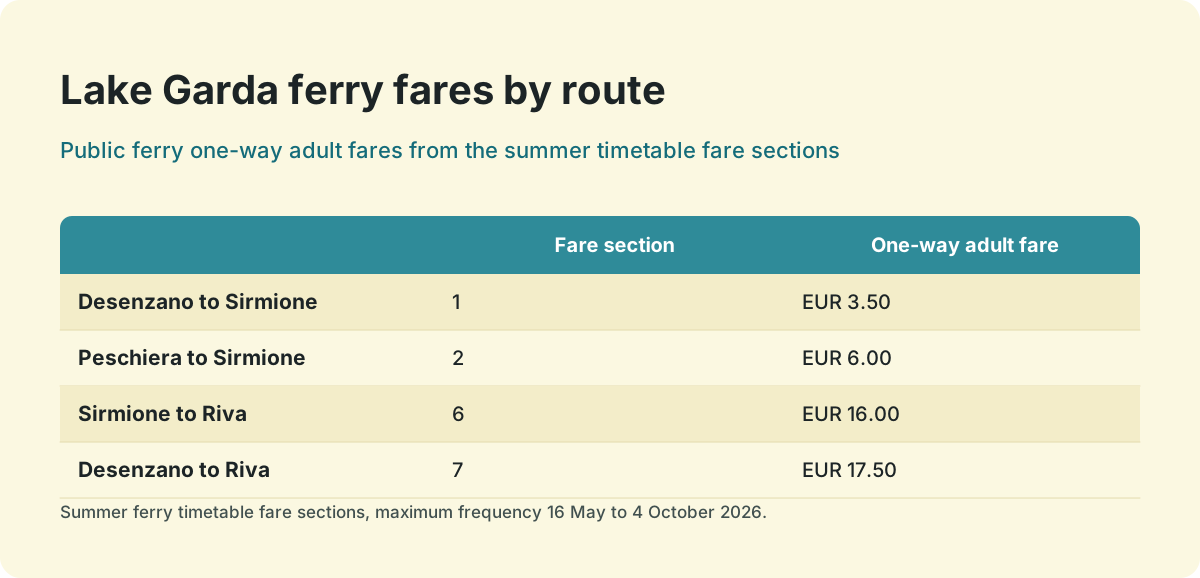
The arithmetic is unforgiving. The summer ferry timetable groups the lake into fare sections, and the longest single hop, Desenzano to Riva, sits in section 7 at EUR 17.50 one way. Sirmione to Riva is section 6 at EUR 16.00. Those are cheap tickets, but the crossings are hours apart in some cases, and the summer timetable with maximum frequency only runs from 16 May to 4 October 2026, as the operator's published tickets and timetables page shows. Outside that window the service thins, and a day plan has to bend around it.
So the realistic shape of a one-day visit is a triangle: arrive at a southern station, cross to a headline town, spend the middle of the day there, and boat back. Sirmione is the obvious headline because it sits on a narrow peninsula that is itself best understood from the water. The alternative is to book a guided cruise that makes the crossing for you, which is what the east-coast cruise from Peschiera does, and what several of the shared tours from the southern towns do with lunch or wine built in.
There is a third shape worth naming: the northern day, arriving at Riva del Garda or Malcesine and using the upper-lake landings. It trades the big-name sights for mountain scenery and shorter hops. All three shapes are laid out hour by hour below, and each one ends with a boat, because the last ferry of the day is the one deadline that actually matters.
Where Should A One-Day Visit Start?
Start at Desenzano del Garda or Peschiera del Garda, the two rail stations on the Milan to Venice main line, because both piers are a 15-minute walk from the platform. Desenzano station to the ferry landing is 1.1 km; Peschiera station to its landing is 1.2 km. That walk is the fixed point of every good day plan, and it is what makes a car-free Lake Garda day trip genuinely practical.
Desenzano is the stronger start if Sirmione is the goal. The ferry from Desenzano to Sirmione is fare section 1, EUR 3.50 adult one way, and the crossing runs about 20 to 25 minutes on the summer timetable. Desenzano itself is not a placeholder either: the town finished the final section of its new lakefront promenade in May 2026, a 200-metre stretch directly overlooking the water, so an early arrival gives you a walkable stretch of shore between the station and the pier.
Peschiera is the stronger start if you are coming from Verona or if you prefer a booked cruise over self-assembled ferry legs. The town's Venetian fortress is part of a UNESCO World Heritage serial site, and its landing stage feeds both the public ferry and a cluster of tour departures. Peschiera to Sirmione by ferry is fare section 2 at EUR 6.00 one way. The station has two platforms and sits on the same main line, as the RFI station page confirms.
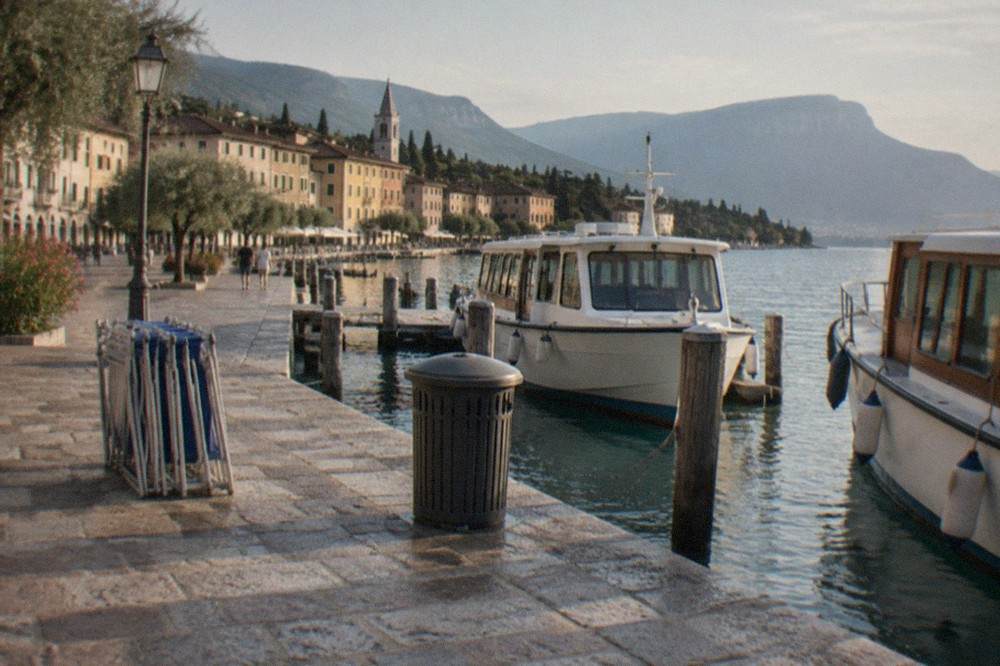
For either start, the first decision is whether the crossing is a public ferry or a booked tour. A booked cruise removes the timetable risk: the 3.5-hour east-coast cruise from Peschiera, rated 4.7 from 423 reviews and priced from $68.86 per person, makes the crossing, pauses at Sirmione and returns, all on one ticket. The public ferry is far cheaper but leaves you to plan the return leg yourself, and the last boats of the day fill up in July and August.
If you are arriving from Milan, there is also a fully assembled option: an 11-hour day trip combining Verona, Sirmione and a lake cruise, rated 4.8 from 1,037 reviews and from $113.33 per person. It removes every planning variable, at the price of a long day on someone else's schedule. The rail and coach options from the city are covered in our guide to Lake Garda from Milan, and the trade-off between a city base and a lake base is a genuinely personal one.
What Does A Day Around Sirmione Look Like?
A Sirmione day runs: train to Desenzano, 15-minute walk to the pier, morning ferry to Sirmione at EUR 3.50, the Grotte di Catullo Roman villa in the middle of the day, a short peninsula boat loop in the afternoon, and a late-afternoon ferry back. The whole day runs on published fares and listed prices, and the boat legs cost less than either museum ticket.
Here is the plan hour by hour. It assumes a summer weekday inside the 16 May to 4 October full timetable window.
| Time | Leg | Notes |
|---|---|---|
| 09:00 | Arrive Desenzano del Garda station | 15-minute walk to the ferry landing |
| 09:45 | Ferry Desenzano to Sirmione | EUR 3.50 each, about 20 to 25 minutes |
| 10:15 | Walk the historic centre and Castello Scaligero | Castle entry EUR 10, closed Mondays |
| 12:00 | Lunch, then walk to Grotte di Catullo | 1.4 km, about 19 minutes on foot |
| 14:30 | Grotte di Catullo Roman villa | EUR 10 full price, open to 19:30 most days |
| 17:00 | 25-minute peninsula boat cruise | From $13.77 per person, 4.7 from 3,495 reviews |
| 18:00 | Ferry Sirmione to Desenzano | EUR 3.50 each, last sailings check the timetable |
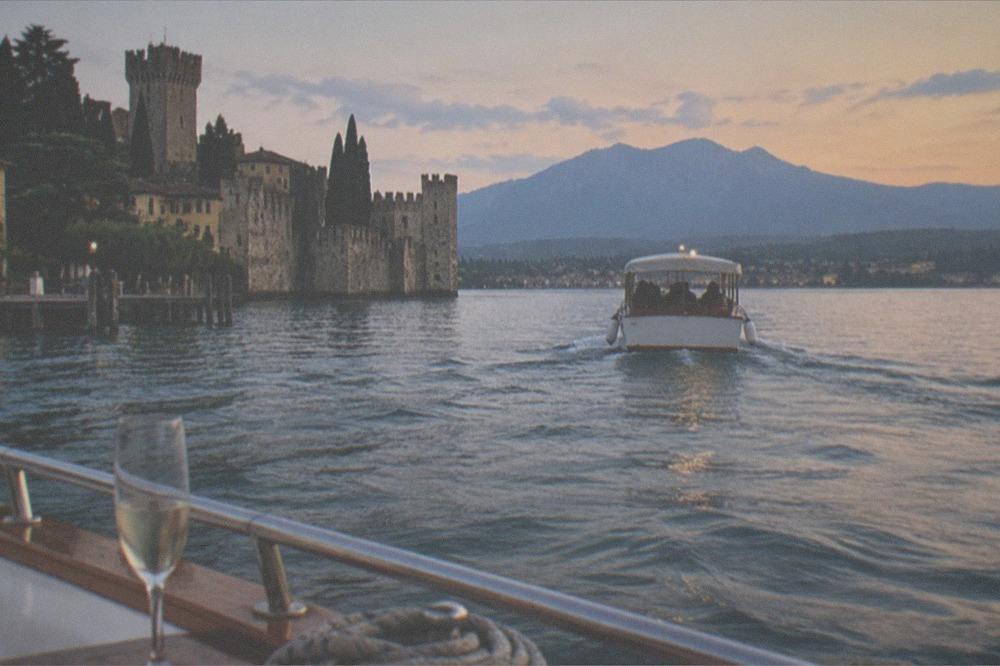
The peninsula cruise is the piece that most first-time visitors underestimate. Sirmione's shape only makes sense from the water: the loop passes the Scaliger castle, the Grotte di Catullo cliffs and the thermal spring at the tip, and at 25 minutes it slots neatly between the villa visit and the return ferry. It is the single most-reviewed boat product on the lake, 4.7 from 3,495 reviews, and from $13.77 it is cheaper than either museum ticket. Our dedicated Sirmione boat tour guide covers the full range of loops and departures from the town.
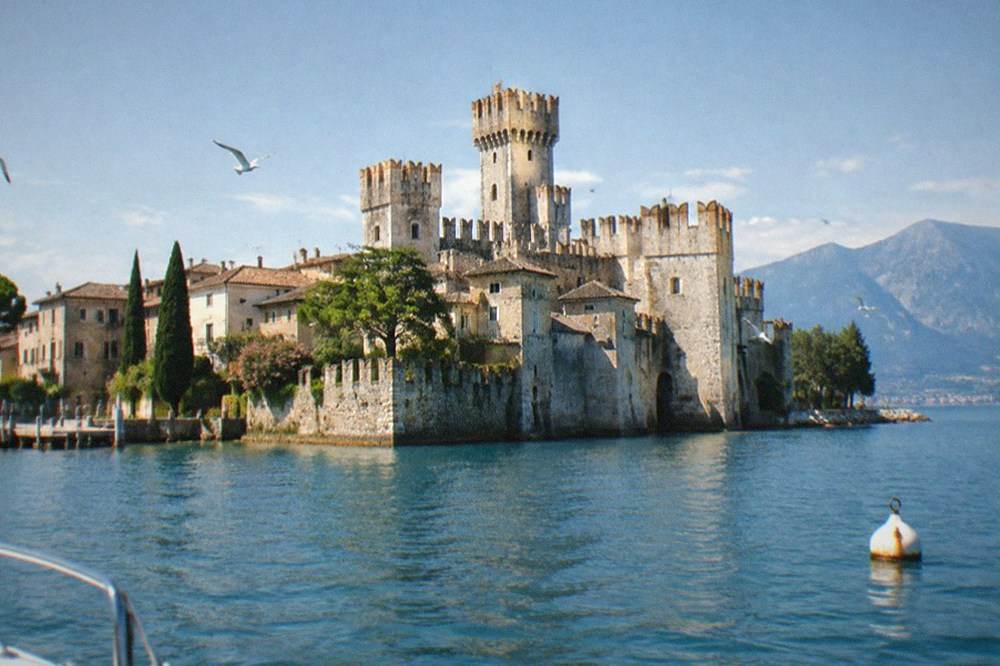
Two practical warnings. Sirmione's old centre is a limited-traffic zone, and the town runs scheduled pedestrianisation afternoons on peak days in summer, so driving to the pier is a worse idea than the ferry every time. Second, the Grotte di Catullo closes at 13:00 on Mondays and the castle is closed Mondays entirely, so a Monday visit shrinks the day. There is a combined seven-day ticket covering the Grotte, the castle and the Roman villa in Desenzano at EUR 20, but for a single day the individual entries are the better buy.
If you would rather trade the museum hours for water hours, the four-hour castle cruise with wine tasting, from $114.76 per person and rated 4.6 from 300 reviews, puts the sailing and the tasting in one ticket and still returns you to Sirmione with daylight to spare.
What Does A Day From The North Look Like?
A northern day starts at Riva del Garda or Malcesine and stays in the upper lake, where the hops are short and the scenery is alpine. The Sirmione to Riva ferry is EUR 16.00 one way, so the honest version of this plan is not to commute the whole lake but to arrive north and use the local landings, adding the Cascate del Varone waterfall at EUR 7 entry as the land leg.
The mistake to avoid is trying to combine the north and the south in one day. The whole-lake crossing is a half-day commitment in each direction once you count waiting time, and a day pass at EUR 39.50 only pays off if you genuinely ride several legs. The northern plan below assumes you sleep or arrive locally, by bus or by a morning drive, and treats the boat as a scenic circuit rather than a commute.
| Time | Leg | Notes |
|---|---|---|
| 09:30 | Arrive Riva del Garda waterfront | Landings for upper-lake ferries |
| 10:00 | Ferry across to the west shore | Malcesine, Limone and Torbole on the network |
| 11:30 | Limone sul Garda, walk the lakefront | West-shore landing on the ferry network |
| 13:00 | Lunch, then ferry onward or back | Fares by section, EUR 7.50 in section 3 |
| 15:30 | Cascate del Varone waterfall | EUR 7 individual ticket, about 20 minutes to visit |
| 17:00 | Return ferry to Riva | Check the last sailing before you commit |
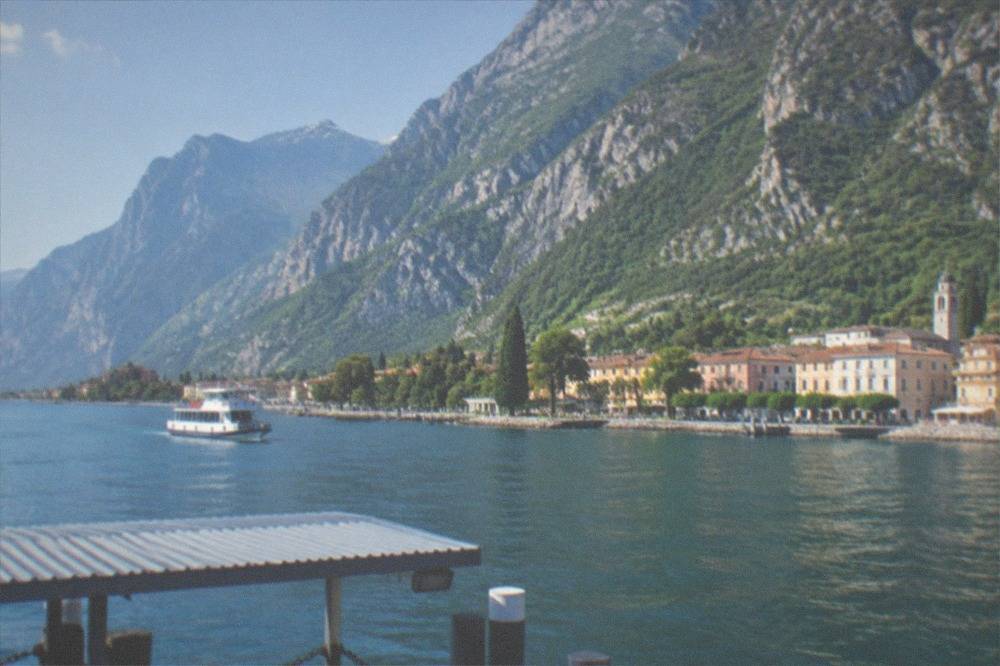
The waterfall is the surprise value of the northern day. The Cascate del Varone charges EUR 7 for an individual ticket, is open all year except 25 December, and sits a short drive or bus ride inland from Riva; the operator's own hours and prices page lists the summer opening window of 09:00 to 19:00 from May to August. There is also a free picnic area beside the entrance, with tables and benches for up to 150 people, if you are carrying lunch.
One geography note that matters on the water: the far north of the lake, between Riva and Torbole, is Trentino water where motor navigation is banned, which is why the northern basin is the domain of ferries, sailboats and windsurfers. Malcesine on the east shore is in Veneto, Limone on the west is in Lombardy, and neither is in Trentino. For a deeper comparison of the two main northern bases, the question of whether Malcesine or Riva makes the better base is worth its own reading.
How Much Water Time Fits Into One Day?
Realistically two to four hours of a one-day visit can be on the water, split across one main crossing and one short loop. A ferry crossing uses 20 to 25 minutes each way on the southern run, the Sirmione loop adds 25 minutes, and a booked half-day cruise uses about four hours including a stop. Anything beyond that and the day stops being a visit and becomes a boat schedule.
The mix-and-match logic is simple. Public ferry legs are cheap and frequent in summer: an urban hop is EUR 1.50, section 1 crossings EUR 3.50, and the day passes run EUR 39.50 for the whole lake, EUR 27.00 for the upper or lower lake, or EUR 23.50 for a single zone, all in force from 1 April 2026 per the operator's 2026 tariff sheet. A lake garda ferry day pass only earns its price if you ride three or more paid sections; for a single out-and-back crossing, singles are the better buy.
Booked tours occupy a different slot in the day. The 3.5-hour east-coast cruise is a half-day commitment; the four-hour cruise with lunch from Peschiera, from $72.30 per person and rated 4.4 from 849 reviews, is most of a day; and the 25-minute Sirmione loop is a gap-filler. The planning question is which of those shapes matches your energy. Travellers who report back on a single day on the lake almost always say the same thing: one substantial boat leg plus one short loop felt right, and two booked tours felt rushed.
The last boat is the constraint that bites. Places on the ferries are limited to the capacity of the vessel, tickets bought on board carry a EUR 1.00 surcharge per passenger, and the last return sailings from the popular piers come earlier than people expect in the shoulder months. Whatever plan you build, read the last two departures of the day before you commit to the first.
What Does A Day Cost?
A self-assembled Sirmione day runs on small numbers: the ferry crossing is EUR 3.50 each way, the Grotte di Catullo entry is EUR 10, and the peninsula loop is from $13.77. A booked-cruise day starts from $68.86 per person for the east-coast cruise, and the fully guided Milan day trip starts from $113.33 per person.
Here is the costed comparison, using the published ferry fares in euro and the tour listings' prices in dollars exactly as the roster states them.
| Item | Per person | Currency and source |
|---|---|---|
| Ferry Desenzano to Sirmione, each way | 3.50 | EUR, ferry tariff sheet |
| Grotte di Catullo entry | 10.00 | EUR, museum service |
| 25-minute peninsula cruise | 13.77 | USD, tour listing |
| East-coast cruise from Peschiera, 3.5 h | 68.86 | USD, tour listing |
| Half-day cruise with lunch, Peschiera | 72.30 | USD, tour listing |
| Milan day trip with Verona and cruise, 11 h | 113.33 | USD, tour listing |
| Whole-lake ferry day pass | 39.50 | EUR, ferry tariff sheet |
The pattern to notice is that the ferry-plus-museums day is by far the cheapest, and the gap between it and the booked tours is the price of someone else handling the timetable. Both are legitimate choices. A family weighing the same question across a whole week will find the free options useful for the days between paid legs, and our broader roundup of things to do on Lake Garda places the boat options in the wider context.
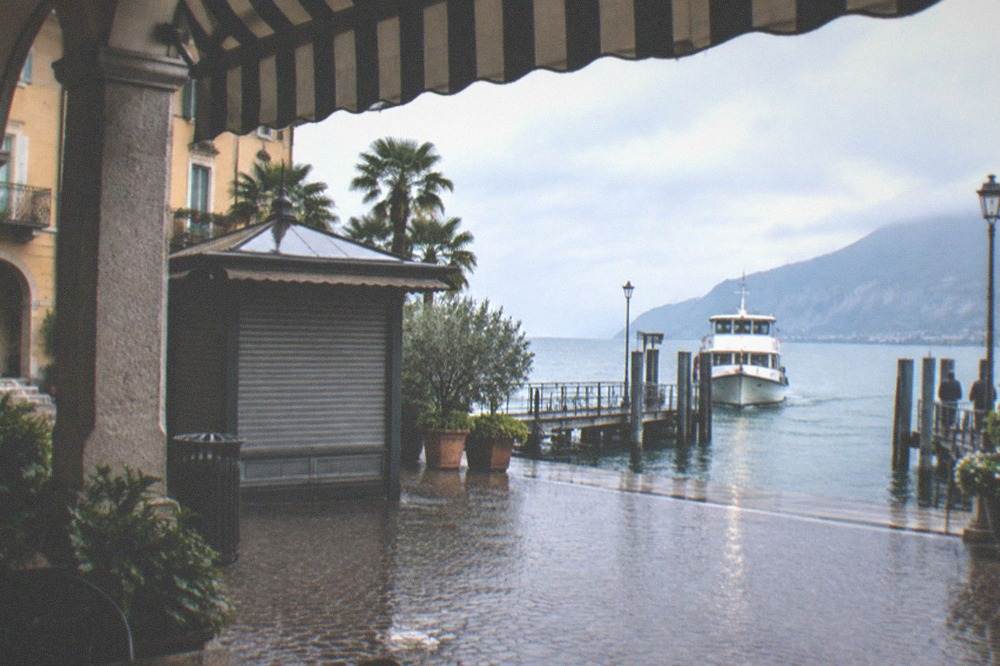
One budget line that surprises people is how little the water itself costs. The crossing to Sirmione is EUR 3.50 each way, less than a single museum entry. The expensive parts of a Lake Garda day are food and parking, not boats, and the biggest saving available is arriving by train and walking the 15 minutes from either station to its pier.
What Should You Skip On A Single Day?
Skip the second shore, the theme park and the multi-town driving tour. Gardaland has no boat landing of its own, the nearest landings being Peschiera del Garda and Lazise, so it cannot be a boat-day stop. Trying to pair Sirmione with Malcesine by road costs more hours than either town deserves, and a second museum on a one-day visit is an hour stolen from the water.
The theme park point deserves spelling out because it appears in many bad one-day itineraries. The park is a full day by itself, reachable by road from Peschiera, and no landing stage or private landing at the park is documented on any primary source, so it cannot be bolted onto a lake crossing. If boats are the point of your visit, the park belongs on a different trip, and our Gardaland guide treats it as one.
The same logic kills the two-shore day. The lake is 54 km long; the road along the western shore is beautiful and slow; and every hour in the car is an hour not on the water, which is the one thing a site called Lake Garda Boat Tours exists to argue. Pick a shore. The southern plan and the northern plan above are each complete days, not halves of a mega-tour.
What else can go? The Isola del Garda island visit is a wonderful half-day, EUR 46 from Sirmione with a guided tour of about two and a quarter hours, but booking is obligatory and the departures are fixed, so it is a keystone rather than an add-on: build the day around it or leave it for a longer trip. The Vittoriale at Gardone Riviera is the same shape, a destination that needs its own afternoon. For a one-day visit, the rule is one anchor town, one crossing, one loop, and no promises to yourself about coming back to the other shore by car.
Which Boat Trip Anchors Your Day?
Pick one of three anchors: the public ferry if the day is about Sirmione and cost, the east-coast cruise from Peschiera if the day is about handing the logistics to a skipper, or the Milan day trip if the day starts in a city and must return there. Each anchor fixes the departure time, the crossing and the return, and everything else in the day hangs off that spine.
The ferry anchor suits the independent traveller. You buy EUR 3.50 tickets at Desenzano, ride 20 to 25 minutes to Sirmione, and the rest of the day is yours to allocate, with the 25-minute peninsula loop as the natural afternoon punctuation. It is the cheapest and the most flexible of the three, and the only real risk is the last sailing home.
The cruise anchor suits the visitor who wants the water to be the plan rather than the transport. The east-coast cruise, the half-day lunch cruise and the wine-tasting castle cruise all depart from the southern towns, all carry free cancellation on the listing, and all remove the timetable from your hands. If your day has a fixed evening commitment, a booked cruise with a known duration is safer than a self-assembled ferry plan.
The city anchor suits the visitor with no car and no margin for error. The Milan day trip bundles Verona, Sirmione and a lake cruise into 11 hours from $113.33, and the Verona version does Sirmione and the cruise in 7.5 hours from $148.04. They are the most expensive per hour on the water, and the least flexible, but they are the only versions of the day that start and end at a city hotel with nothing left to plan. Whether even a rushed visit rewards the effort is its own question, and our piece on whether Lake Garda is worth visiting answers it honestly.
Common Questions About A Lake Garda Day Trip
Can you see Lake Garda in a day?
One shore and two or three towns, yes. The lake is 54 km long with a 125 km shoreline, so a single day covers either the southern basin around Sirmione or the northern basin around Riva and Malcesine, not both. A ferry crossing or a booked cruise is what makes even that much feasible without spending the day in a car.
What is the cheapest boat ride on a Lake Garda day trip?
The public ferry. Desenzano to Sirmione is EUR 3.50 one way, Peschiera to Sirmione is EUR 6.00, and an urban hop is EUR 1.50. The cheapest booked tour loop is the 25-minute Sirmione peninsula cruise, from $13.77 per person.
Do I need a car for a one-day visit?
No. Desenzano and Peschiera del Garda stations are both on the Milan to Venice main line, and each pier is about a 15-minute walk from its platform. From Verona, Peschiera is the closer station; from Milan, either works, and there are fully guided day trips if you prefer not to plan the legs yourself.
Is a ferry day pass worth it for one day?
Only if you ride three or more paid sections. The whole-lake day pass is EUR 39.50, the upper or lower lake pass is EUR 27.00 and a single-zone pass is EUR 23.50, while a Sirmione crossing is just EUR 3.50 each way. For one out-and-back crossing, single tickets are cheaper.
What time is the last boat back?
It depends on the route and the season, and it is the one number that can strand you. The full summer timetable with maximum frequency runs from 16 May to 4 October 2026; outside that window sailings thin out. Check the operator's timetable for your specific pier and date before you commit to the first departure of the day.
Is Sirmione worth the crowds on a day trip?
For most first-time visitors, yes. The peninsula, the Scaliger castle and the Grotte di Catullo are the densest concentration of sights on the lake, and the 25-minute boat loop shows the whole formation from the water. Arriving by ferry rather than by car sidesteps the worst of the parking and access restrictions.